

A NEW WAY TO MANAGE WEEDS WITH COMBI TOOL
Combi Tool is designed for demanding conditions when weed pressure is high, the soil is challenging, or your crops need extra care during emergence. Then you can benefit from the new FarmDroid Combi Tool.
GET A QUOTE
Combi Tool is designed for demanding conditions when weed pressure is high, the soil is challenging, or your crops need extra care during emergence. Then you can benefit from the new FarmDroid Combi Tool.
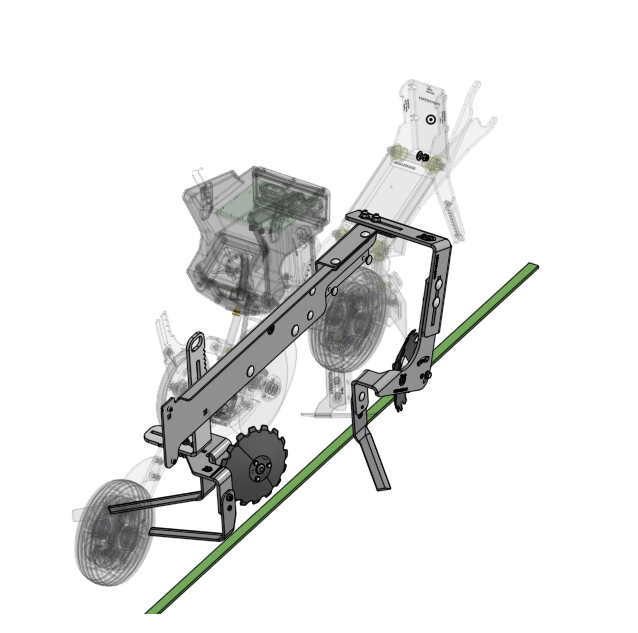
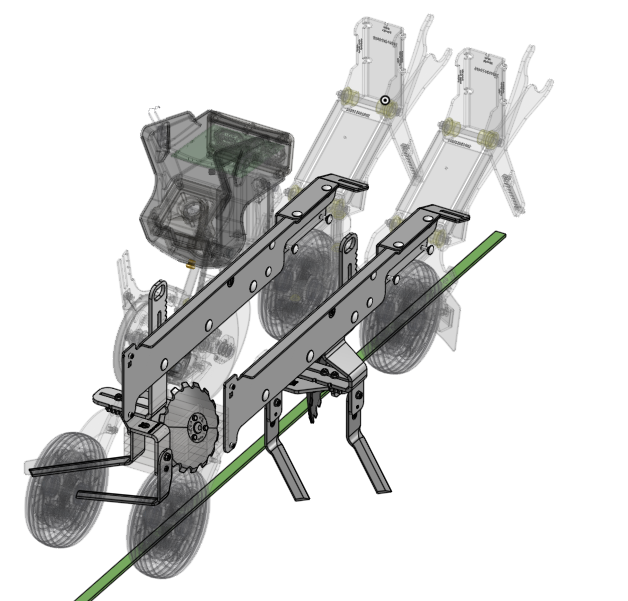
why chose Combi Tool?
When weed pressure is high and weeds are strong
Combi Tool is effective in weeding fields with a lot of weeds. The new L-Share is stronger and sharper than weeding wires, so it can remove large thistles. When there are a lot of weeds, the design will prevent plant debris from being dragged around the field with the blade.

When the soil is challenging
Combi Tool is a great choice for hard, crusted, or compacted soils. The new notched disc cuts the soil close to the crop, even in difficult conditions. In combination with the new L-share, the Combi Tool removes weeds in many different soil types.
When your crops need extra care during emergence
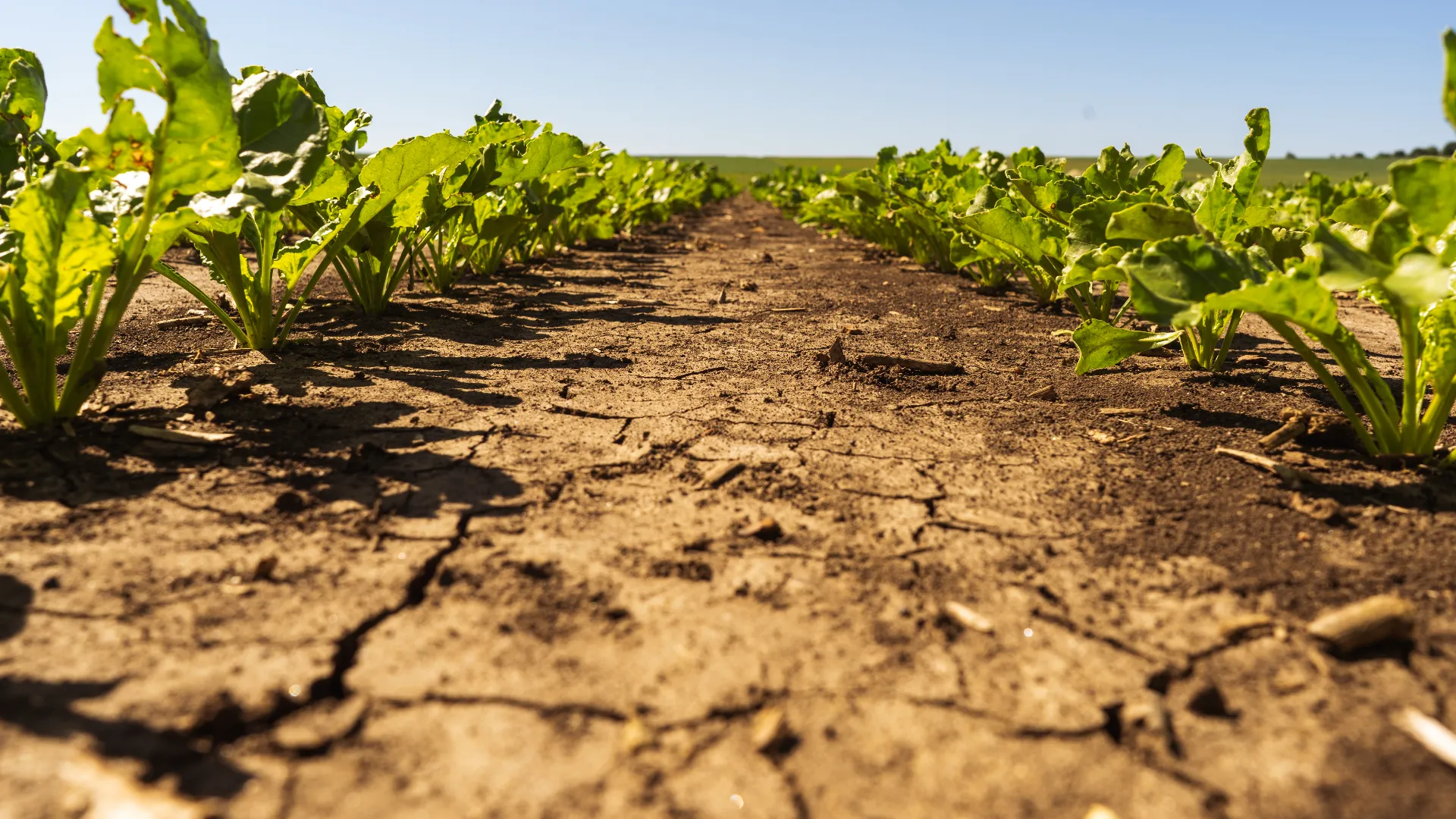
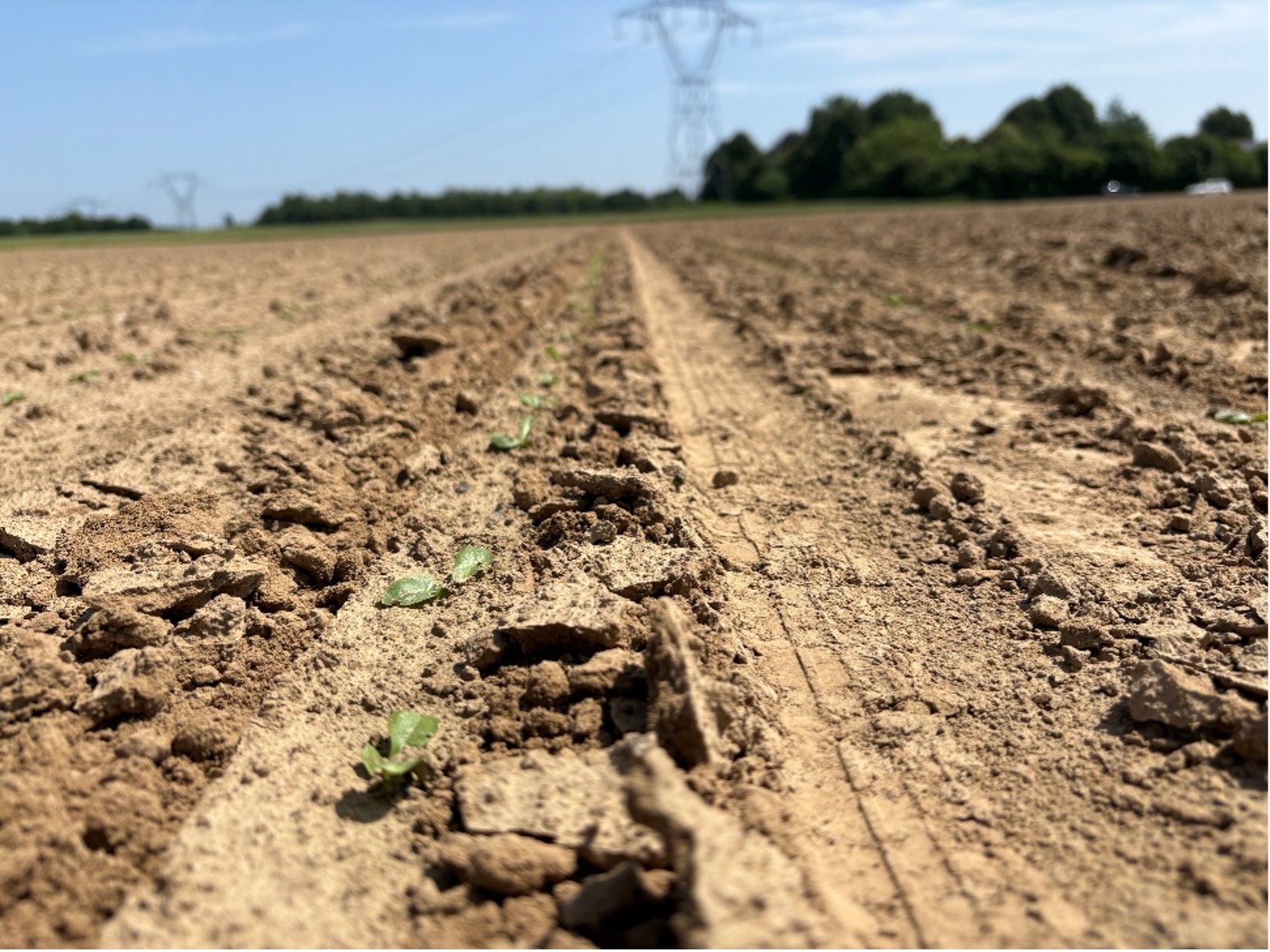
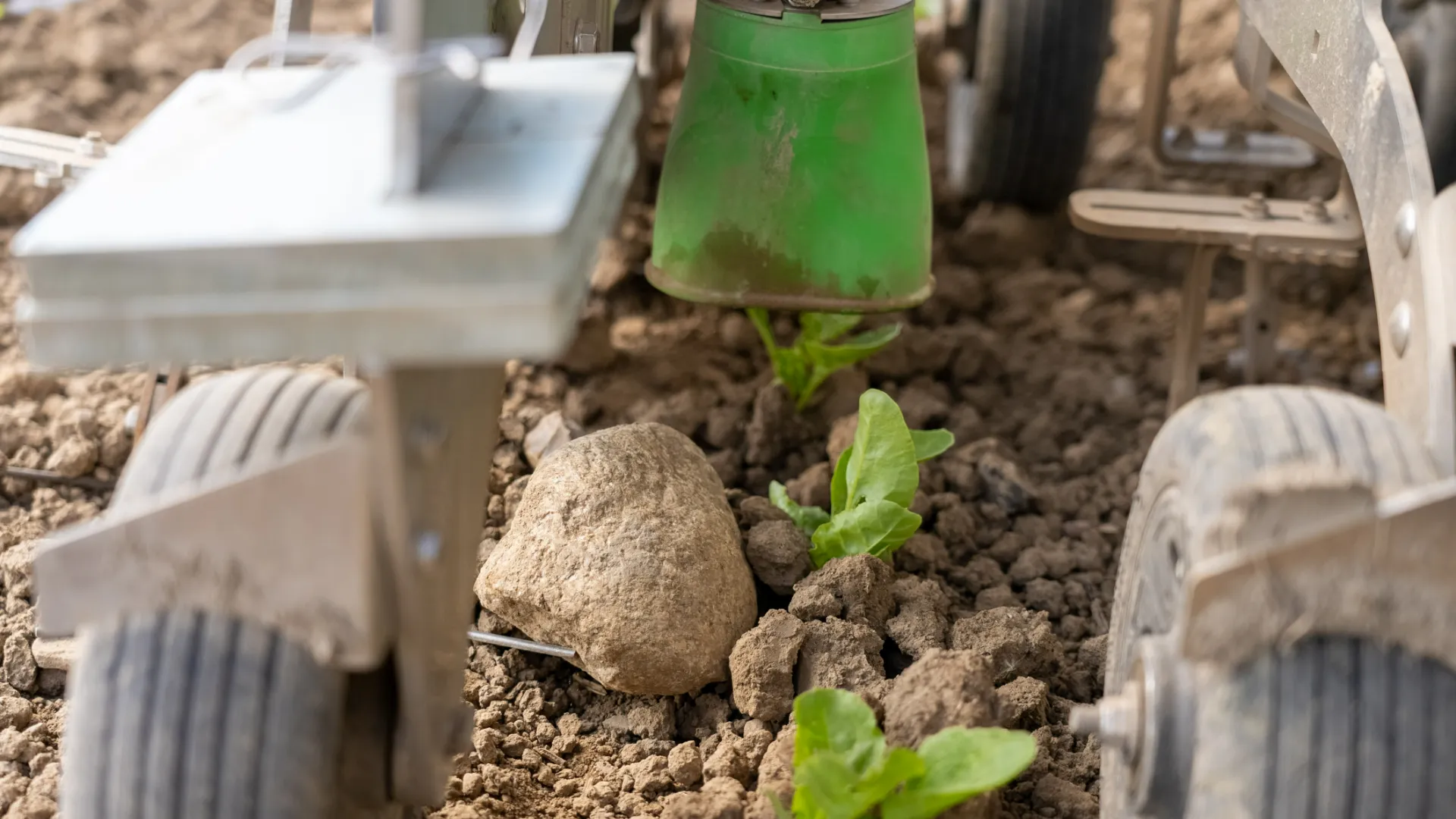
Combi Tool has a notched weeding disc attached in front of the L-shares, cutting through the soil and moving it away from the young plants in the row. This prevents small seedlings from being covered with soil and protects them during early growth stages. While especially sensitive crops such as onion, chicory, and spinach benefit most from this feature during the early weeding season, it is also valuable for more robust crops like beets and maize.

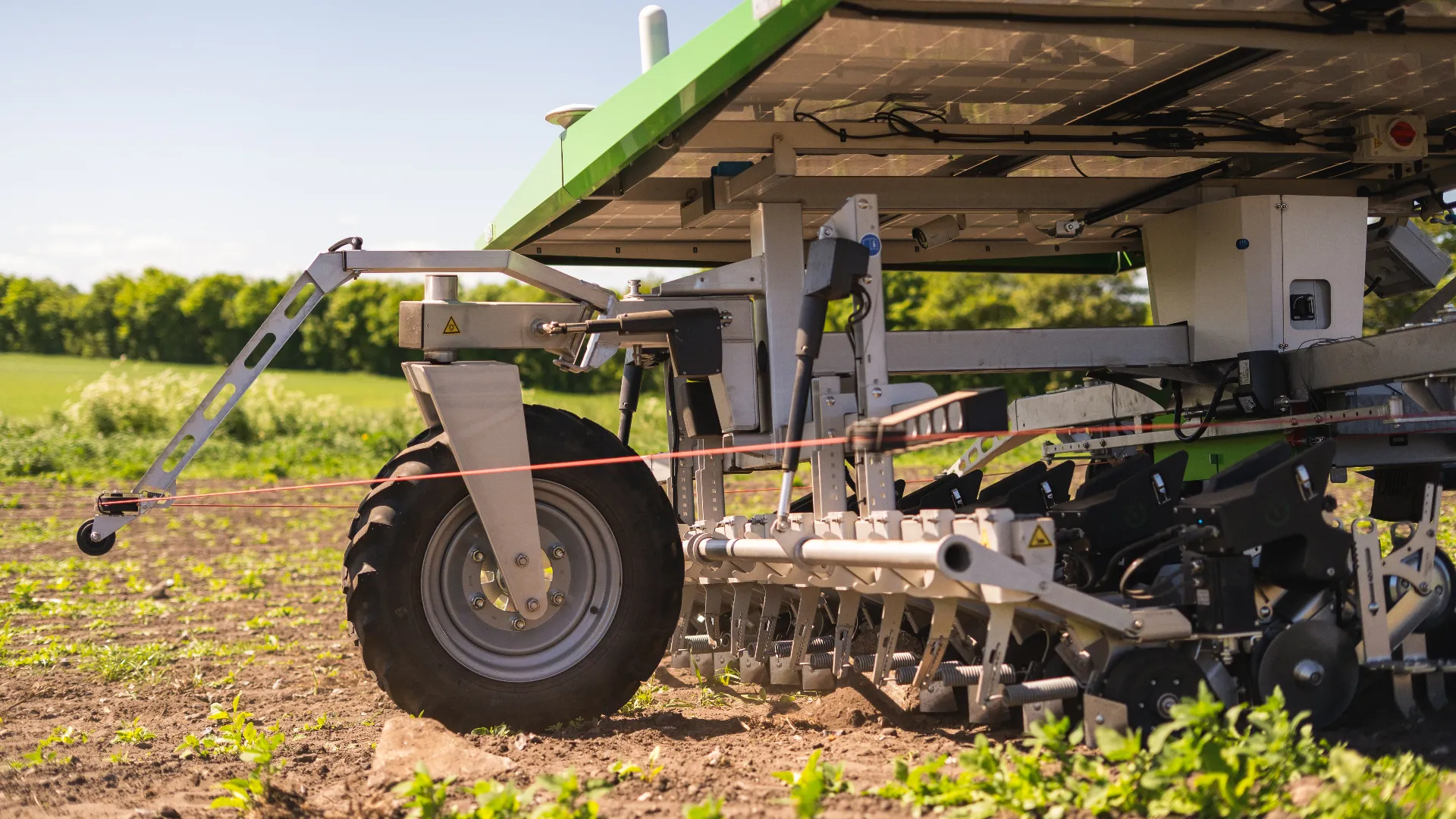
A COMBINATION OF Two TOOLS
Weeding Close to Rows with Notched Weed Cutting Discs
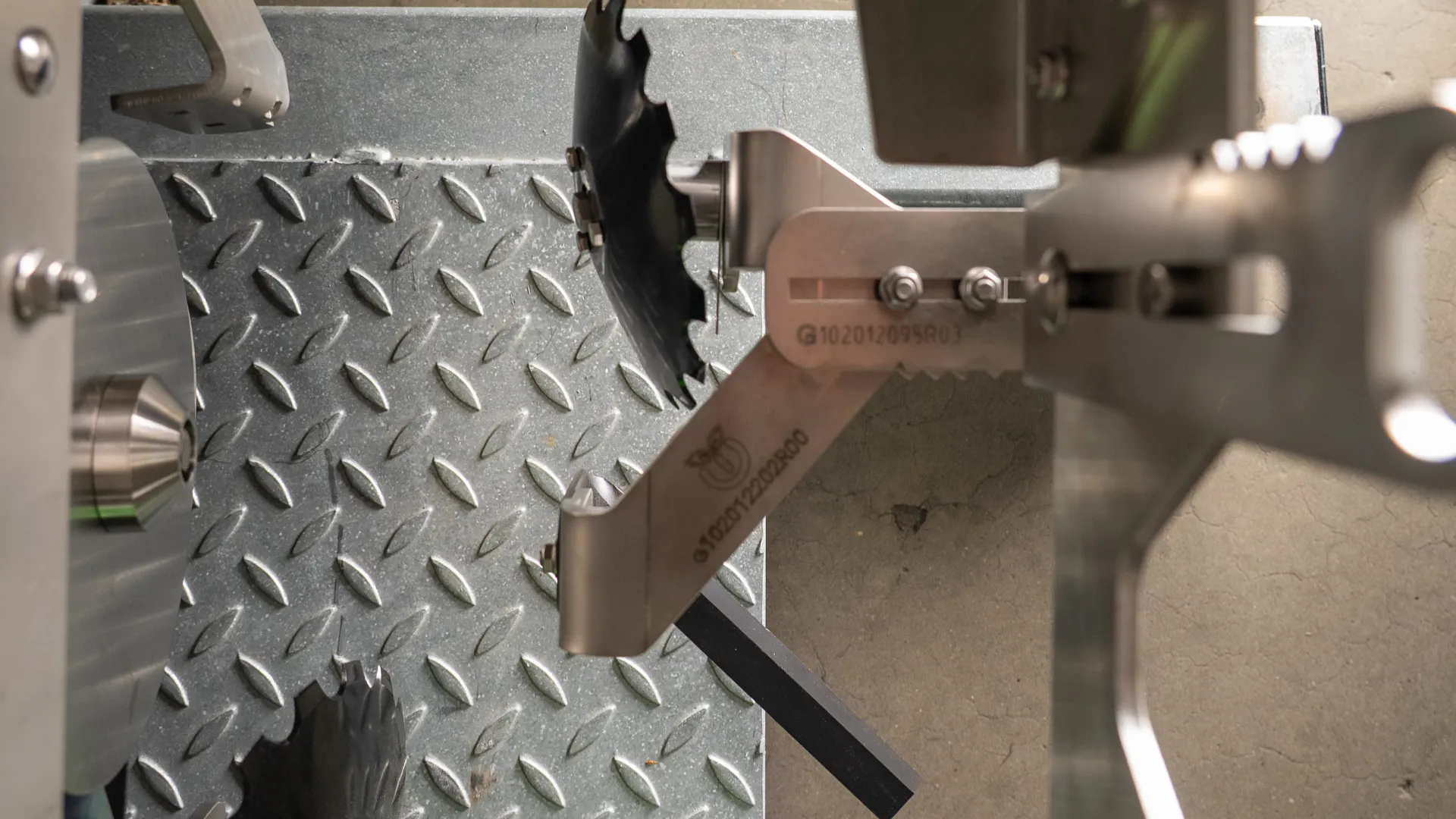
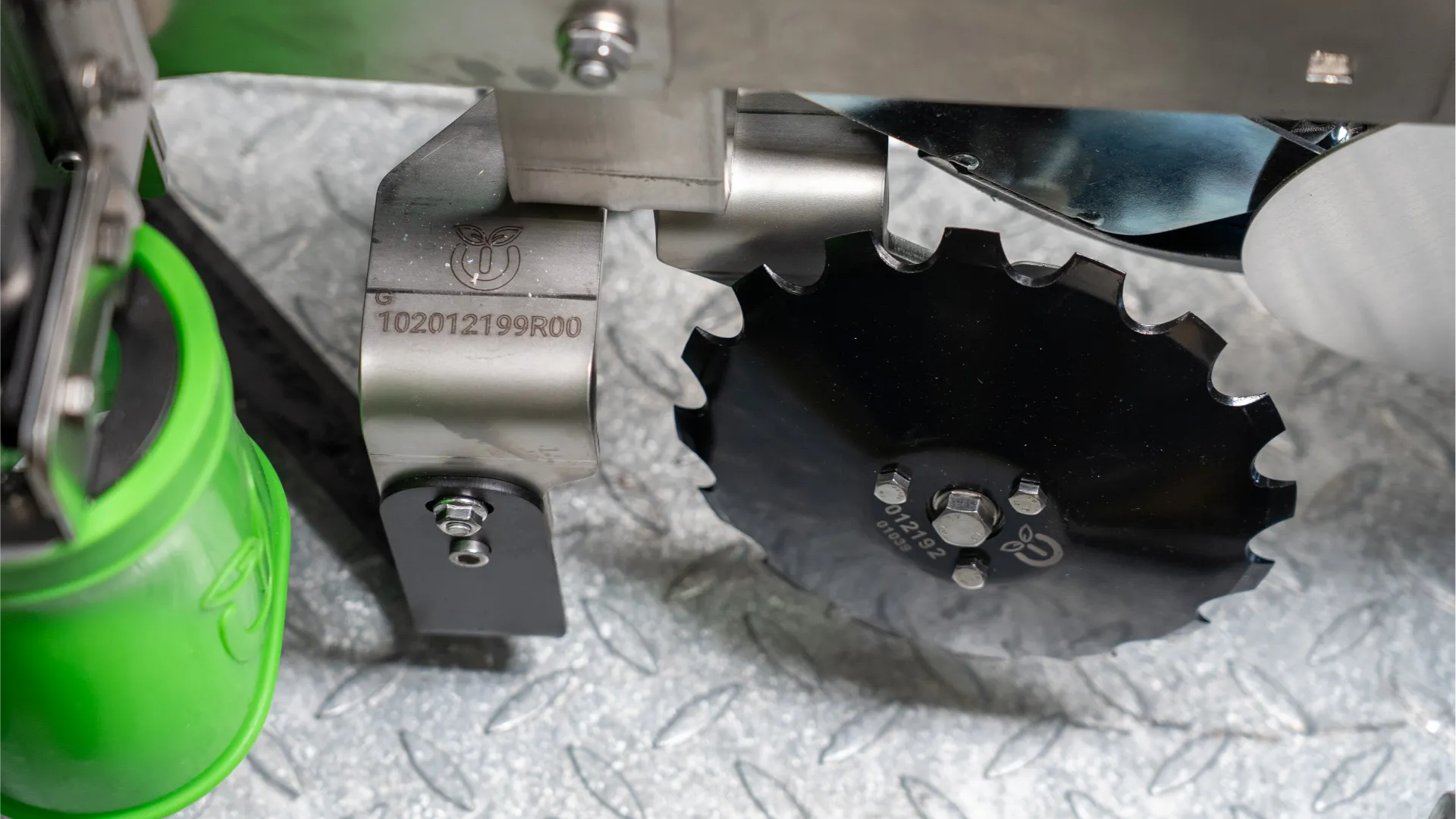
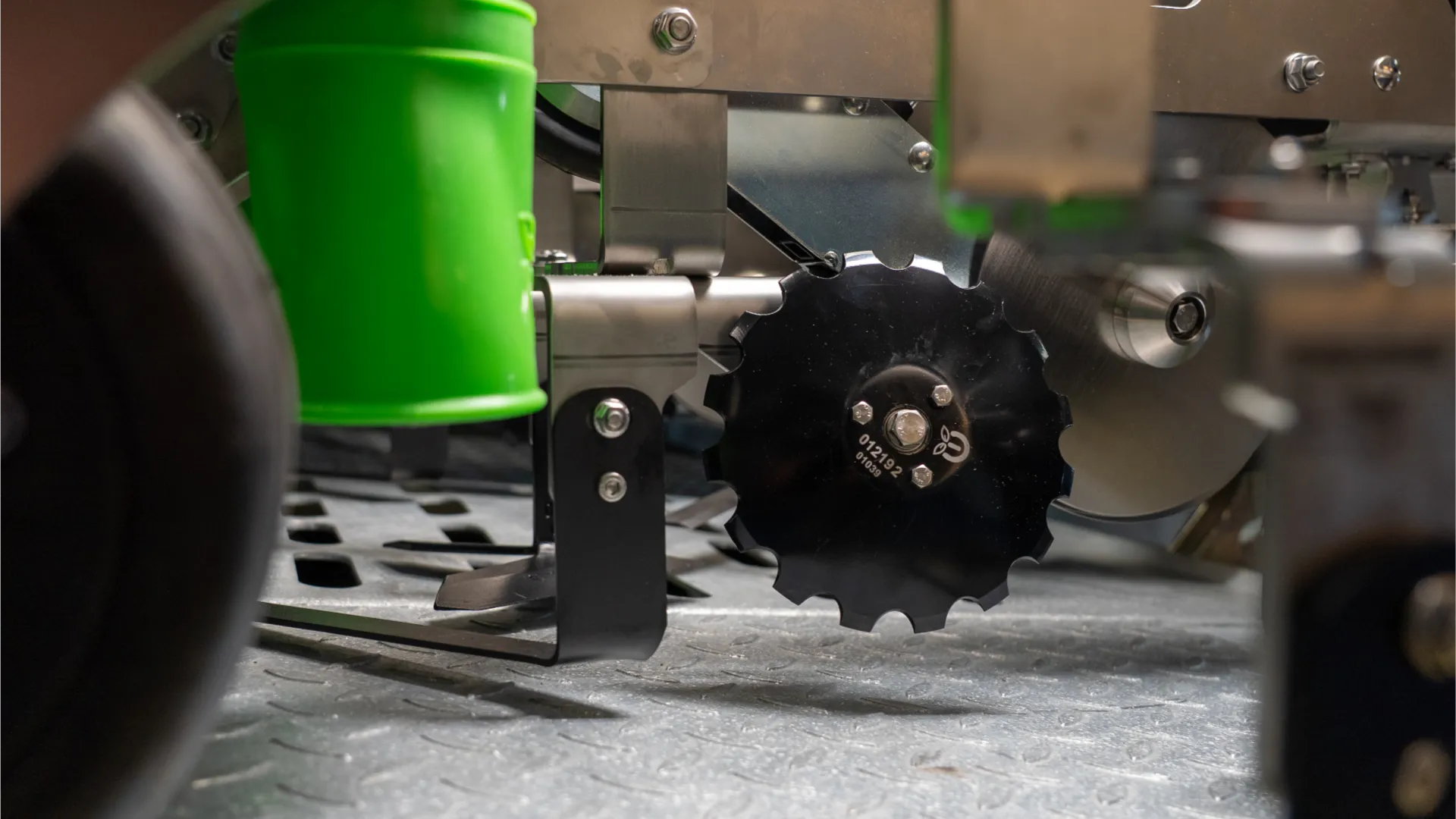
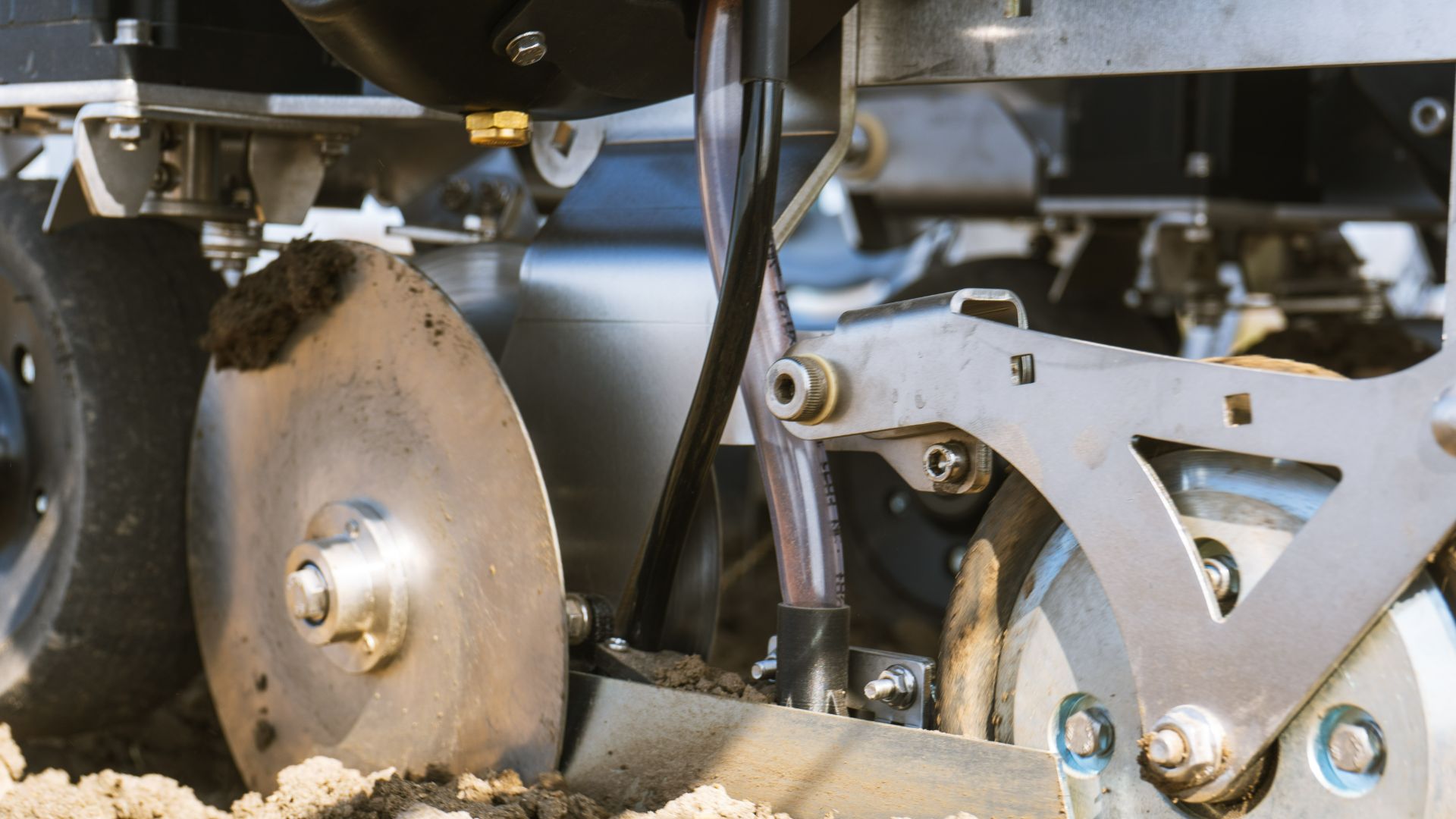
Notched weed cutting discs deliver extra cutting power for accurate weeding close to the crop row. The notched edge cuts the soil even in hard, crusted, or compact soils without covering the plants with ground.
The 155 mm discs are adjustable in gap (0–60 mm), angle (7° to 19°), and depth (0–45 mm), allowing fine-tuning performance for varying field and soil conditions.

Getting Ahead of Weeds with L-share
The L-share cuts across the full soil width and thanks to its rigorous design with 4 mm thickness, it is ideal for fields with heavy weed pressure and deeply rooted weeds such as thistles. With a working width of 14 cm, it ensures thorough weed removal while maintaining stable performance across varying soil conditions.

We are ready to help
Want to know more?
Do you want to learn more about how FarmDroid can help you reduce manual labor, fuel, pesticides and Co2 while also being more productive and easier to use. Then do not hesitate to contact us.
Contact us
Eddie Bolding Pedersen - Head of Sales & Marketing

We are ready to help
Want to know more?
Do you want to learn more about how FarmDroid can help you reduce manual labor, fuel, pesticides and Co2 while also being more productive and easier to use. Then do not hesitate to contact us.
Contact usEddie Bolding Pedersen - Head of Sales & Marketing
Blind Weeding Before Germination
FarmDroid +weed


One farming robot multiple functions
Integrated Seeding and Weed Control
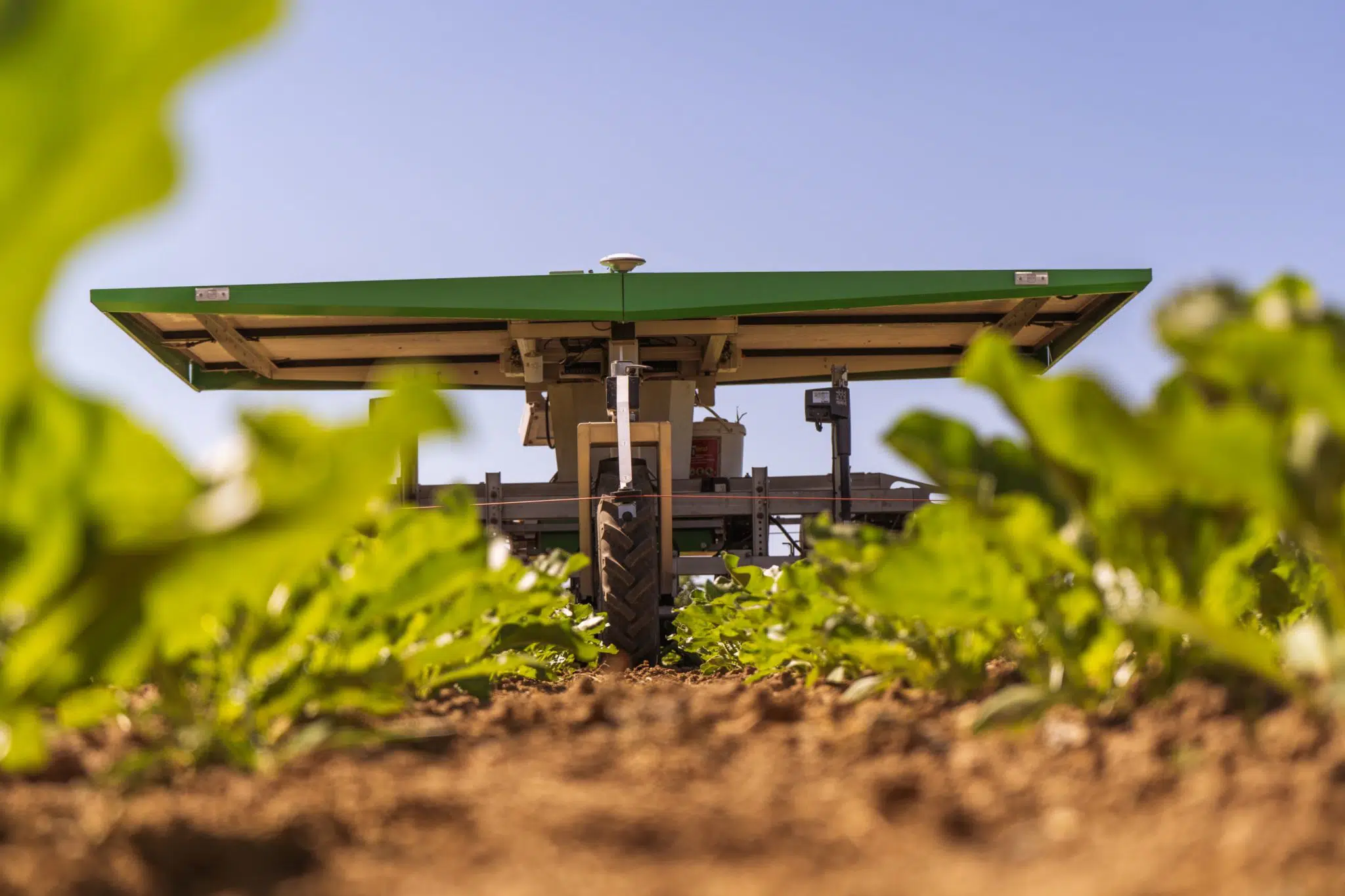
Did you know FarmDroid is a farming robot with three valuable functions? The robot can do automatic seeding, effectively remove weed with mechanical tools and spot spray plant protection substances. All to lower cost, increase effiency and reduce the use of chemicals.
WHICH CROPS CAN FARMDROID WEED?
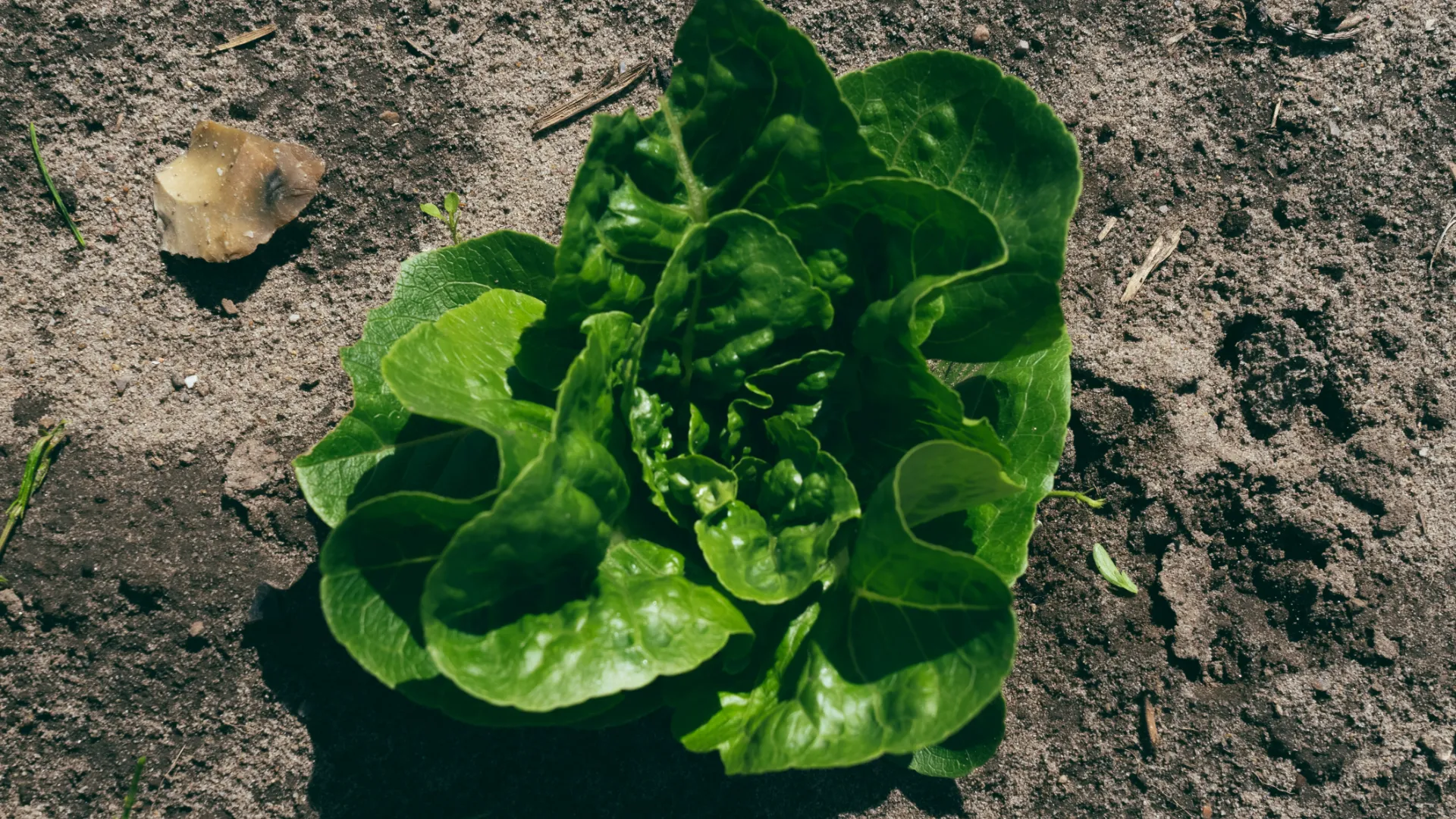
Our FarmDroid FD20 has successfully seeded and weeded a wide variety of crops, and the list continues to expand. Farmers have effectively utilized FarmDroid for crops such as sugar beet, beetroot/red beet, onion, spinach, salad, kale, rapeseed, cauliflower, broccoli, turnip, flower seeds, and various herbs.
We have extensively tested and designed seed discs for more than 50 different crops. If your specific crop hasn’t been tested yet and you’re unsure if FarmDroid is suitable for your needs, please don’t hesitate to contact us. We’re more than happy to investigate and conduct tests in our dedicated test lab.
IN WHICH FIELD CONDITIONS CAN FARMDROID WEED?
FarmDroid can navigate various types of field terrain throughout all seasons. Unless the soil is rocky, muddy or flooded, our robot will operate with its usual precision.
How does the FarmDroid +Weed System fight herbicide resistence?
FarmDroid combats herbicide-resistant weeds by performing precise mechanical weeding—even before weed germination. By eliminating weeds at an early stage without relying on chemicals, FarmDroid reduces the need for herbicides, helping to prevent the development and spread of herbicide resistance.
How does the robot know where the weed is, if it does not use cameras?
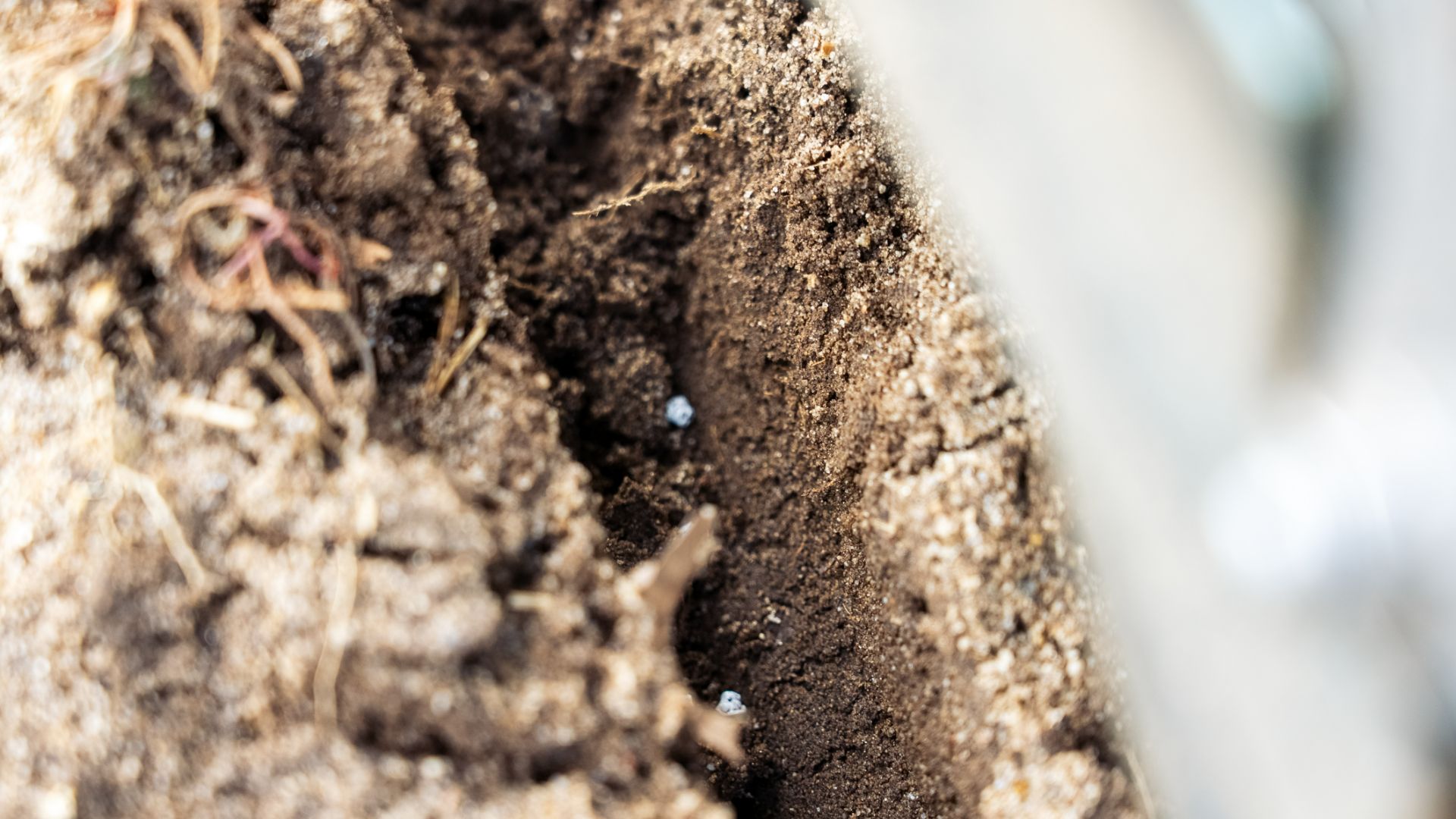
Using GPS coordinates, FarmDroid knows the exact location of each seed during seeding. Since it knows where the crops are, it can perform mechanical weeding around them without needing a camera to detect weeds. This unique approach allows the robot to start weeding even before the weeds emerge, preventing them from competing with the crops right from the beginning.
Is it possible to buy a robot only with weeding function?
If this is not your first FarmDroid robot, then it is possible. The FarmDroid FD20 relies on another FarmDroid robot having seeded the crops to use their GPS locations for weeding and, if relevant, micro-spraying. However, if you are purchasing your first robot to weed a field that was seeded using a different method, it will not be possible to obtain the exact coordinates of the seeds, making precise weeding impossible.
How often does the robot need to perform mechanical weeding to be effective?
For effective weeding with FarmDroid, we recommend starting with blind weeding before seeding to disrupt early weed growth. After seeding, the robot should begin weeding as soon as possible and continue at regular intervals until harvest. The most effective strategy is to weed before weeds germinate, preventing competition with the crops and reducing overall weed pressure throughout the season.
Does the robot notify me if any weeding issues occur during operation?
Yes, FarmDroid notifies you via the FarmDroid App if any weeding issues occur during operation. The app provides real-time updates and alerts, ensuring you are informed about the robot’s status and any required actions. This feature allows you to address issues promptly, minimizing downtime and ensuring optimal weeding performance.
Can the robot weed fields seeded by other machinery?
Currently, FarmDroid can only weed fields that it has seeded itself. This is because the robot records the exact GPS location of each seed during sowing. By knowing these coordinates, it can perform precise mechanical weeding and micro-spraying without needing cameras or sensors to detect the plants. Since other machinery does not provide this data, FarmDroid cannot weed fields seeded by different equipment.
How does the mechanical weeding system work without damaging the crops?
FarmDroid knows the exact location of each seed it seeds. Using high precision GPS and a predefined safety distance, it accurately weeds around the crops without damaging them. This ensures effective weed control while keeping the plants safe throughout their growth cycle.